Weight Loss Clinic Marketing for Medical and GLP-1 Programs
Marketing for medical weight loss and GLP-1 programs, built inside what Google and Meta allow a program to say.

Marketing for medical weight loss and GLP-1 programs, built inside what Google and Meta allow a program to say.
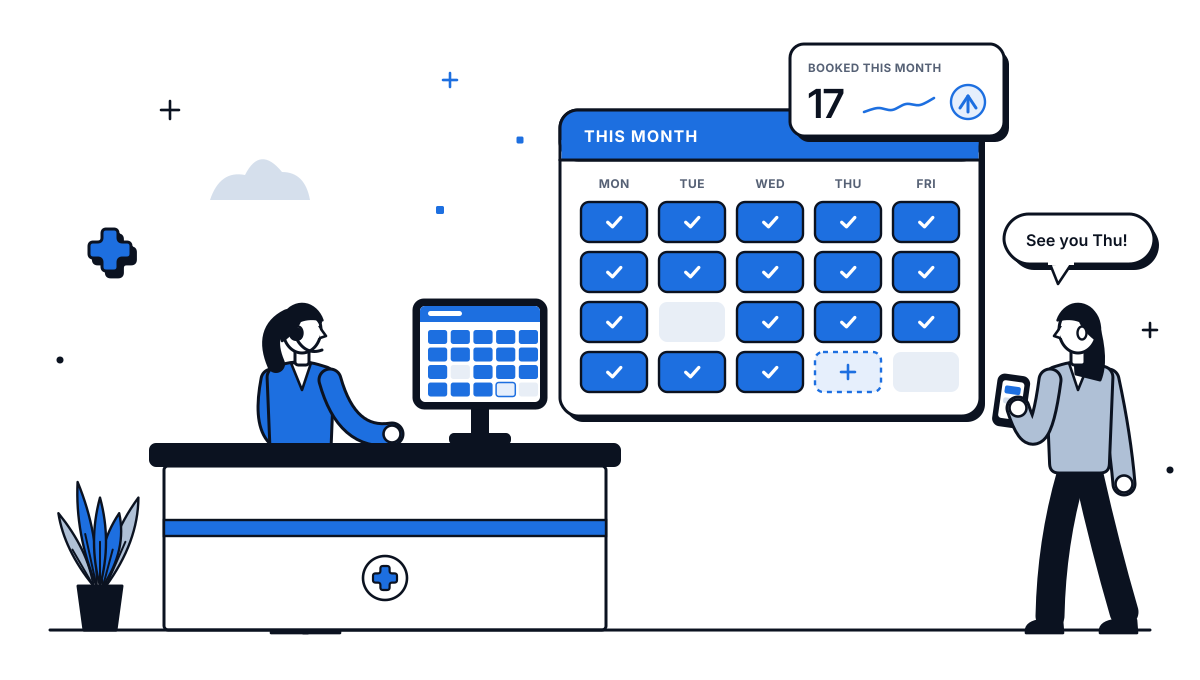




Demand for GLP-1 programs is high, and so is scrutiny from Google, Meta and the FDA. We lead with the supervised program instead of the medication name, which gives ads more room and sets the right expectation before the first visit.
Supervision, labs and follow-up visits, described without naming a medication.
Compounded or unapproved products and outcome promises get flagged before an ad is submitted.
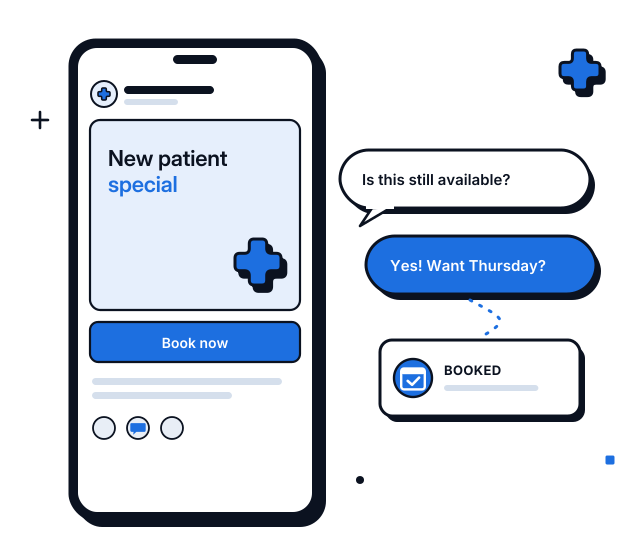
Paid channels move fastest when the account is set up for the rules, and follow-up keeps patients through the program.

Telehealth programs need it before prescription drug services can be advertised.

Search campaigns matched to what the account is allowed to target, with landing pages that hold up to review.

Program-led creative that describes physician supervision without naming or implying a medication it cannot.

Consult follow-up, check-in reminders and re-engagement for patients who pause the program.
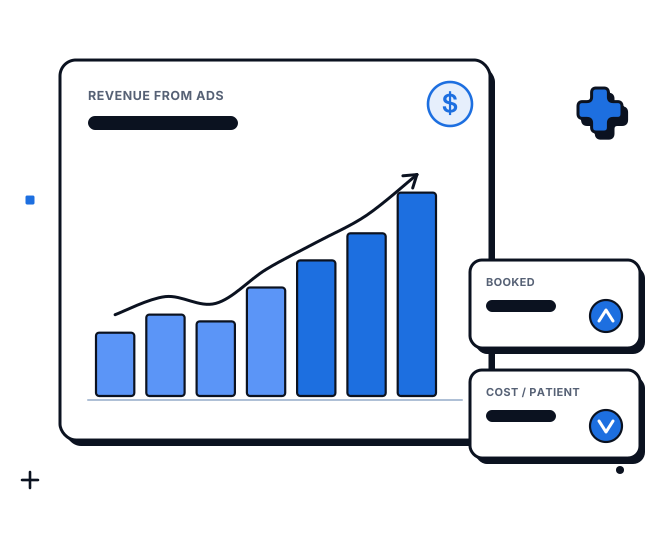
For Beautiful U Medspa, Meta ads and GoHighLevel follow-up produced 802 website leads at $38.07 each. For Pure Hydration IV & Wellness Spa, rebuilt Google Ads campaigns have held a 12 to 15% conversion rate for six months.
Website leads, Beautiful U Medspa
Google Ads conversion rate, Pure Hydration
The medication names patients search for are the same names ad platforms restrict, and the rules have kept moving.
Naming a GLP-1 medication in an ad brings prescription drug rules into play on both Google and Meta, including certification for telehealth providers. Unapproved products cannot be advertised at all, whatever they are called.
Compounded medications, weight-loss claims and before-and-after imagery are what regulators and ad platforms look at first. We describe the supervised program accurately and leave outcome promises out.

Programs run for months, so revenue depends on retention through dose changes, check-ins and maintenance. We plan around the full program length and track where patients drop off.
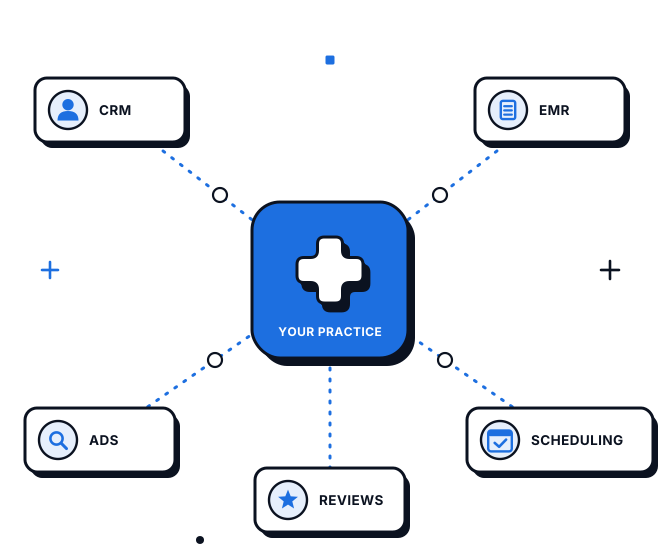
Weight loss programs often chart in an EHR such as OptiMantra or Cerbo and handle enquiries and check-ins in a CRM. Our GoHighLevel follow-up for practices on OptiMantra and for clinics on Cerbo is built around what each platform makes publicly available, with check-ins and re-engagement timed to where a patient is in the program. The platforms we work around are listed on the platforms page. This is independent work, not an official integration or partnership with either company.
Here is what some of our Clients have to say about their Experience of working with us.



NexaMed is a performance marketing agency for medspas and cash-based private practices. We run paid media, SEO and AEO, and the CRM follow-up that turns a lead into a booked visit.
Practice types we work with
Annual revenue of the practices we take on
Share a few details about your practice and what you want marketing to do. We will tell you whether we are a fit and what we would do first.
If your question is not covered here, bring it to the call and we will answer it directly.
Naming an FDA-approved GLP-1 medication brings the prescription drug rules on Google and Meta into play, which include certification for telehealth providers and online pharmacies. Ads that describe a supervised weight loss program without naming a medication have more room.
Compounded versions of approved GLP-1s face heavy scrutiny from the FDA and from ad platforms. Any advertising has to follow current FDA rules and platform policy, and we flag claims that are likely to be rejected.
No. Google and Meta do not allow ads for unapproved products, and renaming them does not change that. Our article on advertising retatrutide explains the rules.
Telehealth programs that prescribe need it to advertise prescription drug services on Google and Meta. In-person programs should check before paying a fee, and we can walk through the options on a call.
By booked consults, program starts and retention rather than clicks, using lead sources tracked through the CRM.